Squirrels in the Attic, Garage or Shed — October Is Nova Scotia's Chewing Season
Every October, phones ring across HRM with the same story: heavy scrambling over the bedroom ceiling in daylight. Squirrels are denning for winter — and attics, detached garages and sheds are their first choice. Here's how to tell what you're hearing, where they're getting in, and why timing matters before you seal anything.
Every October, the same call comes in from somewhere between Halifax and Bedford: a heavy scrambling sound over the bedroom ceiling, starting at first light. It is not a mouse. It weighs a few hundred grams, it moves in daylight, and it did not squeeze in — it chewed in.
October is the busiest chewing month of the year for squirrels in Nova Scotia. The nights are cold, the fall food crop is in, and every squirrel in the neighbourhood is picking its winter den right now. Your attic — or that quiet detached garage or shed — is warmer, drier and safer than any tree hollow.
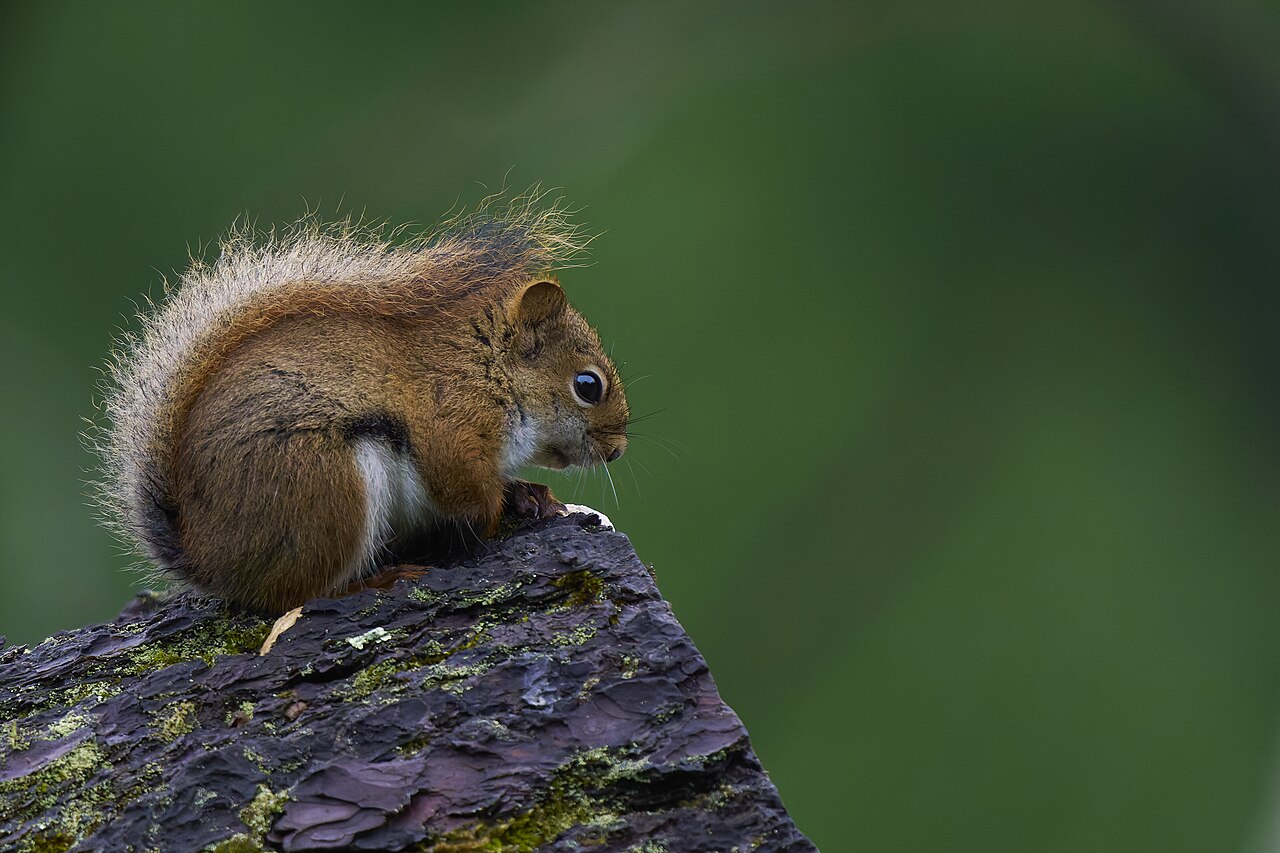
Why they move in this month
Two drives bring squirrels indoors in fall. First, denning: red and grey squirrels both seek a warm, enclosed void to spend the winter, and they prefer one already above ground level — a soffit, a gable vent, a roof gap. Second, food caching: red squirrels in particular stockpile cones and seeds, and a sheltered attic near a mature spruce or pine is prime storage.
Neither species is looking for trouble. They're looking for what every other fall pest is looking for — the same void your mouse problem starts with, just at the top of the house instead of the bottom.
Squirrel or mouse? Your ears already know
You can identify the animal by sound and timing without seeing it:
- •Squirrels are daytime animals. Scrambling, thumping and rolling sounds from early morning through late afternoon, then quiet in the dark. Fast, heavy movement — sometimes straight across the ceiling, sometimes up and down a wall.
- •Mice are nighttime animals. Light, fine scratching and skittering after dark, usually close to walls and floors.
- •Gnawing is the giveaway. A steady, rhythmic chewing sound, often near the entry point, means the hole is being enlarged — and squirrels gnaw to keep their teeth worn down whether they need to or not.
- •Debris tells the rest: cone bracts, nut shells and chunks of insulation near a roofline gap point to squirrel; rice-sized dark droppings under the sink point to mouse.
Where they get in — and why they don't need a gap
Squirrels rarely walk through an existing hole the way a mouse does. They *make* the hole. Common entry points we find on HRM homes:
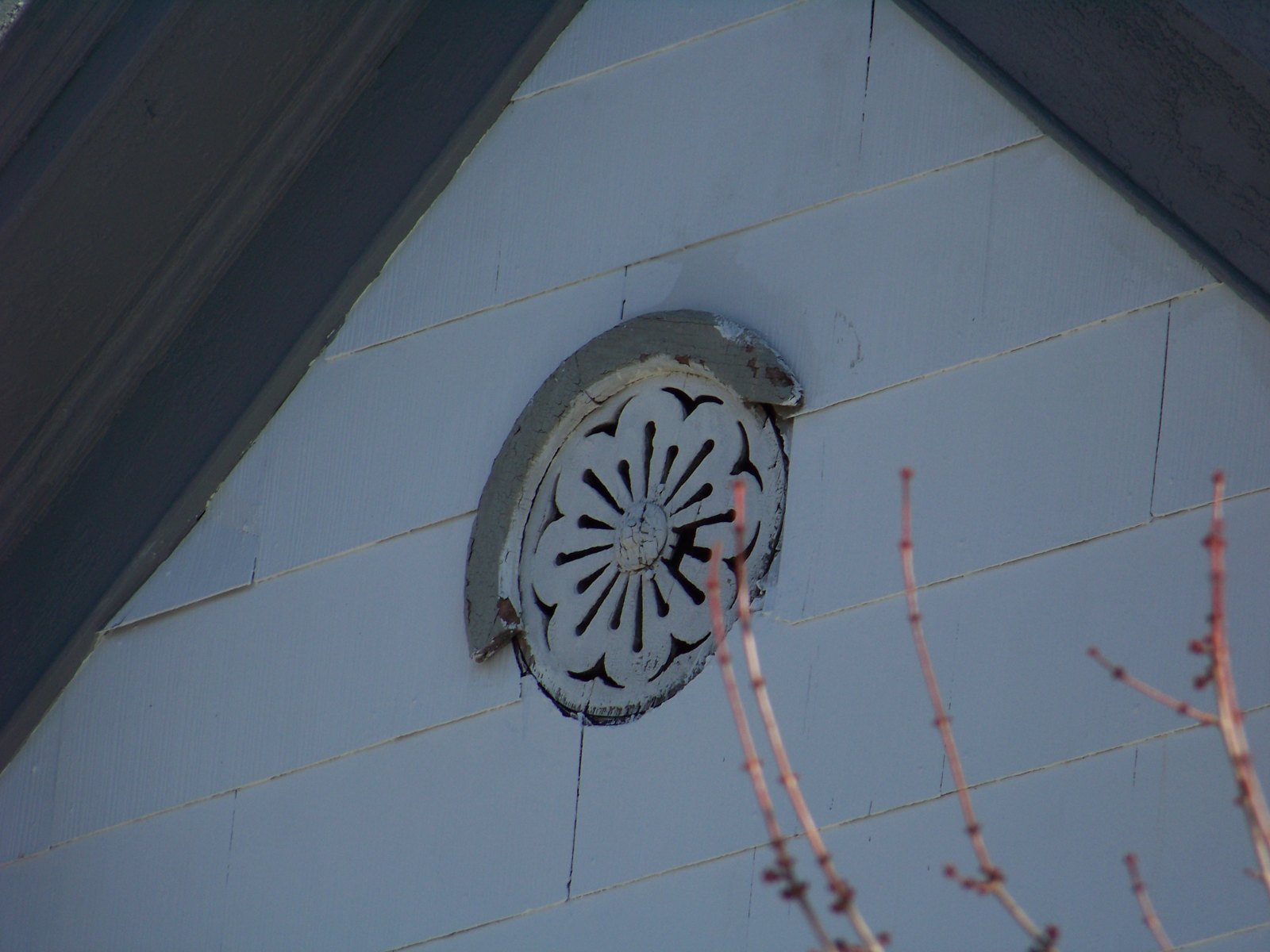
- •Gable and roof vents — plastic louvres and insect screens tear out easily.
- •Soffit returns and roofline corners — the same open triangular gaps that admit bats and wasps.
- •Construction gaps where different roof lines or additions meet.
- •Chimney caps and open flues.
- •Branch bridges — any limb within about 2 m of the roof is an on-ramp. Squirrels jump; they don't need to climb the siding.
A squirrel needs only a ledge, a lip, or a rotted corner to get started. Once teeth are in, softwood trim, aluminum soffit and plastic vents all open up within days.
Detached garages and sheds: the quiet problem
If the house is sealed and the noise is coming from the garage or the shed, that's normal — these structures are squirrel favourites.

- •Nobody is up there. A shed or detached garage goes undisturbed for weeks at a time, so a den gets established long before anyone notices.
- •The build is lighter. Softwood trim, thin roof sheathing and weathered corners chew out fast.
- •The food is better. Bird seed, grass seed, pet food, and packaged goods stored in the garage are a winter pantry.
- •Gaps are everywhere. Door corners, gaps where the roof meets the walls, and — for sheds — the seam along the floor edge, which groundhogs and mice also use.
Before you close a garage or shed up for the winter, walk it once: look along the roofline for gnaw marks or dark smudge trails, check the door corners for daylight, and listen at the door for a few quiet minutes. Finding the den in October is a minor job; finding it in December, with insulation shredded and wiring gnawed, is not.
Why you shouldn't just seal the hole
This is where well-meant DIY goes wrong. Two rules come before any exclusion work:
1. Never seal an active entry. A squirrel sealed inside will not quietly give up — it chews back in somewhere worse, or dies in the wall. Resolve the animal first, then close the gap. 2. Squirrels are protected wildlife in Nova Scotia. Trapping, relocation and removal are regulated under provincial wildlife rules, and doing it yourself risks separating a mother from young, or simply moving the problem to a neighbour's roof. Removal is also timing-sensitive: spring litters mean a female with dependent young should not be excluded until the young are mobile.
Done in the right order — remove or deter, then exclude with metal, then trim back access — the fix is permanent. Done out of order, you get a bigger hole and a smell.
How we handle it
We start with a free assessment*: identify the animal by sound, sign and entry point, confirm whether there's a nest, and map every opening along the roofline — not just the one being used today. Removal follows the provincial rules and the season, and exclusion is done in metal: flashing, hardware cloth and vent guards, the same standard we use for rodents, because chew-through-it fixes are not fixes at all.
The Home Protection Plan covers rodents and monitoring year-round for $50/month + HST* on a 12-month commitment, with scheduled seasonal visits and emergency callouts included.
Hearing chewing over the ceiling, or finding gnaw marks on the shed? Call (902) 877-8590 for a free assessment*, or send us a photo through the Pest ID tool — no charge — and we'll tell you straight what you're dealing with. Locally owned and operated, serving Halifax, Dartmouth, Bedford, Sackville and communities across HRM. *Conditions apply.
More on closing up for winter: our Fall Home Seal-Up Checklist, when rodents enter homes in Nova Scotia, and raccoons and squirrels around your home.
*Bed bug and carpenter ant treatments are specialized services and are quoted separately.
Frequently Asked Questions
- What does a squirrel in the attic sound like?
- Heavy scrambling, thumping or rolling during the day, most often from early morning to late afternoon, sometimes with rhythmic gnawing. Mice make much lighter scratching and skittering sounds after dark. Daytime noise over a bedroom ceiling is the classic squirrel signature.
- Can I trap and relocate a squirrel myself in Nova Scotia?
- Removal is regulated under provincial wildlife rules, and relocating wildlife is generally discouraged — moved animals often fail to survive or return. The bigger DIY risk is timing: sealing an entry while a mother has dependent young inside creates a worse problem. A licensed assessment tells you what season and method apply.
- Will squirrels leave the attic on their own?
- They may move on in spring, but months of gnawing, urine and shredded insulation happen first — and chewed wiring is a genuine fire risk. Squirrels also reuse a successful den, and often return to the same roofline year after year.
- How do I keep squirrels out of my shed or garage?
- Seal roof-to-wall gaps and door corners with metal rather than foam, fit vent covers, keep seed and pet food in sealed metal bins, and fix rotted trim. Walk the structure before winter and listen at the door for a few quiet minutes — a den found in October is a minor job.
About this article
Written by One Way Property Solutions Team · Licensed Nova Scotia Pest Control Professionals. The information below is drawn from the following authoritative sources and reviewed against current Nova Scotia conditions.
Was this article helpful?
A quick tap helps us know which guides are actually useful to Nova Scotia homeowners.
One Way Property Solutions Team
Licensed Nova Scotia Pest Control Professionals
Related Services
Keep reading
Hand-picked guides related to Seasonal Pests.
The Fall Home Seal-Up Checklist (HRM Edition)
Almost every pest we deal with in October got in through a gap that existed in September. Here's the exact walkaround we do on an HRM home — the eight places that actually let pests in, what to seal each one with, and what to leave open.
How and When Do Rodents Enter Your Home? What Nova Scotia Homeowners Should Know
Mice and rats don't wait for an invitation. Here's when rodent pressure peaks in Nova Scotia, how they get inside, and what you can do to protect your home year-round.
Raccoons, Squirrels, and Wildlife Around Your Nova Scotia Home — What to Know and When to Act
Scratching in the attic. Garbage cans tipped over. Holes in the soffit. Wildlife encounters are increasingly common across HRM and Nova Scotia. Here's how to tell what you're dealing with and what your options are.
Need help with pests? Contact One Way Property Solutions Limited.