The Fall Home Seal-Up Checklist (HRM Edition)
Almost every pest we deal with in October got in through a gap that existed in September. Here's the exact walkaround we do on an HRM home — the eight places that actually let pests in, what to seal each one with, and what to leave open.
Here is the pattern we see every single year in Halifax, Dartmouth, Bedford and Sackville: the call comes in the third week of October, and the gap the pest used has been sitting there since spring. Nothing changed about the house. What changed was the weather.
September is the one month where an hour of work with a caulking gun and a roll of hardware cloth outbids a treatment. Mice, cluster flies, Western conifer seed bugs, spiders and overwintering wasps are all looking for the same thing right now — a warm, dry void inside your wall. Close the doors and the rest gets much easier.
This is the walkaround our technicians actually do. Work it in order, top to bottom, all the way around the house.
First, the two numbers that matter
- •6 mm (1/4 inch) — a young house mouse fits through it. If a pencil goes in, a mouse goes in.
- •13 mm (1/2 inch) — a rat, a red squirrel or a chipmunk fits. Anything this size is a priority, not a maybe.
Carry an actual pencil. It is a better inspection tool than a tape measure because you use it without thinking.
1. Dryer vents and bathroom/kitchen exhaust hoods
This is our number one find, and it is almost never on a homeowner's list.
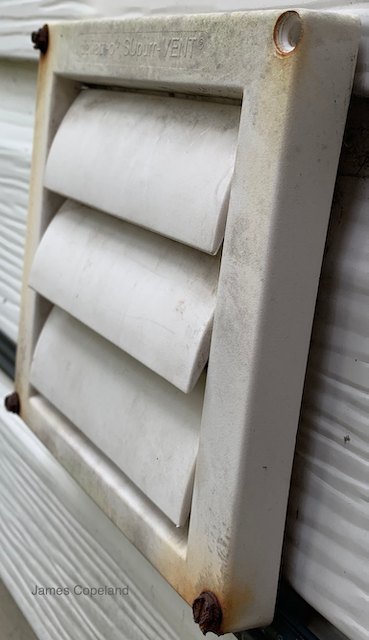
The plastic flap on a dryer hood cracks, warps or gets held open by lint within a few years. Once it stops closing, you have a 100 mm heated tunnel straight into the laundry room. Mice use it. So do birds and wasps.
What to do: replace the hood with a metal one, or fit a purpose-made vent guard with 6 mm stainless mesh. Do not cover a dryer vent with fine window screen — it clogs with lint and becomes a fire risk. Check that the flap actually falls shut when the dryer is off.
2. Soffit, fascia and roofline corners
Stand back on the lawn and look along the roofline, then check where the soffit returns meet the wall at the corners of the house. On older HRM homes those returns often have an open triangular gap you can see from the ground.
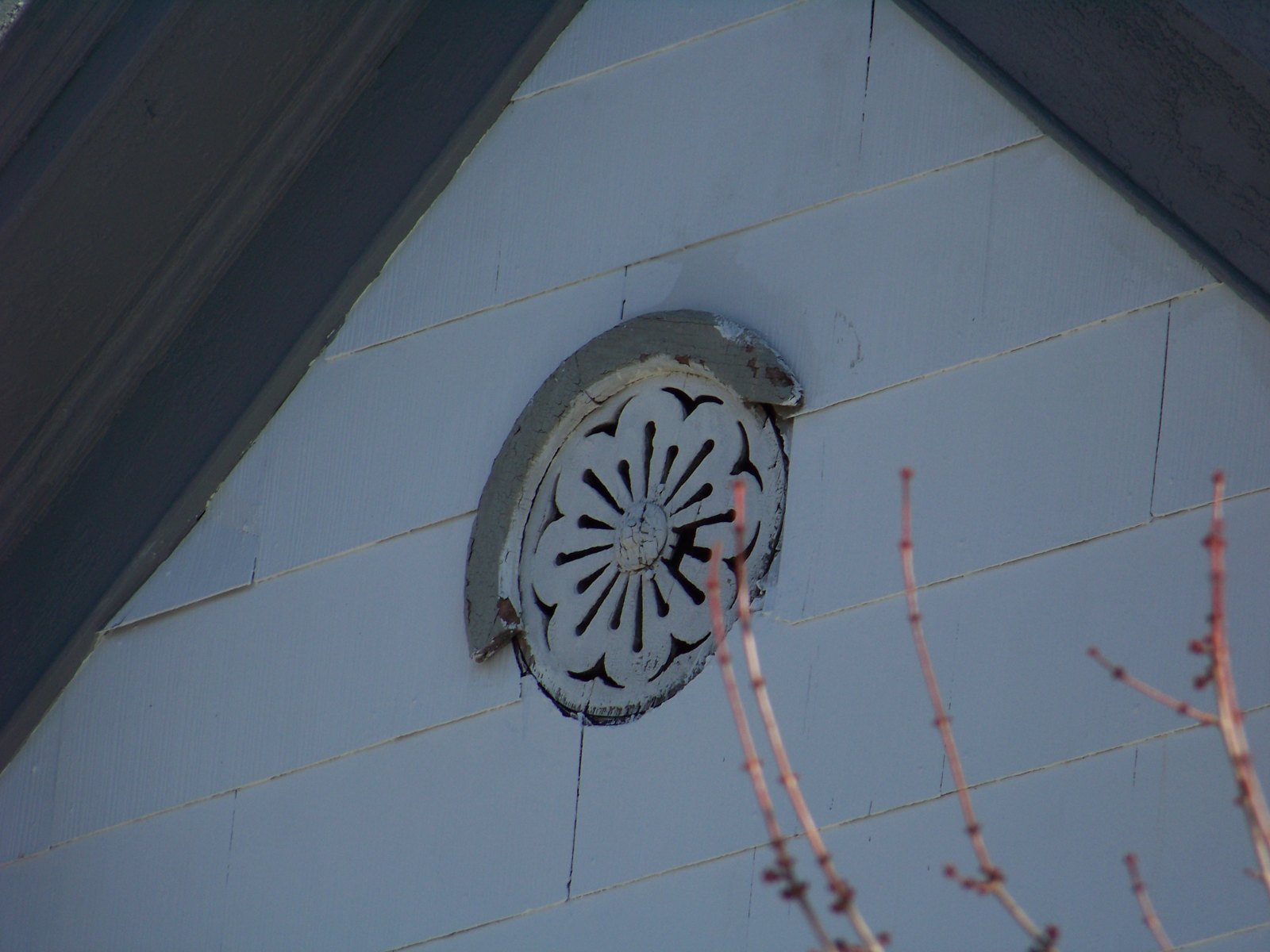
That gap is how squirrels, bats and paper wasps get into an attic. Grease smudging or dark rub marks along a soffit edge means it is already in use.
What to do: close returns and gaps with aluminium flashing or 6 mm hardware cloth fastened with screws and washers, not staples. Keep proper soffit ventilation intact — screen it, don't block it.
3. Sill plate — the seam nobody looks at
The sill plate is where the wood framing sits on top of the concrete foundation. On many homes built before the 1990s that seam was never sealed, and because it is usually hidden behind siding or a few centimetres above grade, it goes unnoticed for decades.
Run your hand along the top of the foundation on a cool morning. If you feel air, that seam is open. Inside, look up at the same line in an unfinished basement — daylight, cobwebs pulled inward, or dead cluster flies along the top of the foundation wall all confirm it.
What to do: clean the seam, then seal with a polyurethane exterior sealant. Wider than 6 mm? Pack it with copper mesh or backer rod first, then seal over. Spray foam alone is not a barrier — mice chew straight through it.
4. Every pipe, wire and cable penetration
Water lines, hose bibs, gas lines, AC/heat pump lines, electrical mast, cable and internet drops, and radon or sump discharge pipes. Each one is a hole somebody drilled oversize and then rarely closed properly.
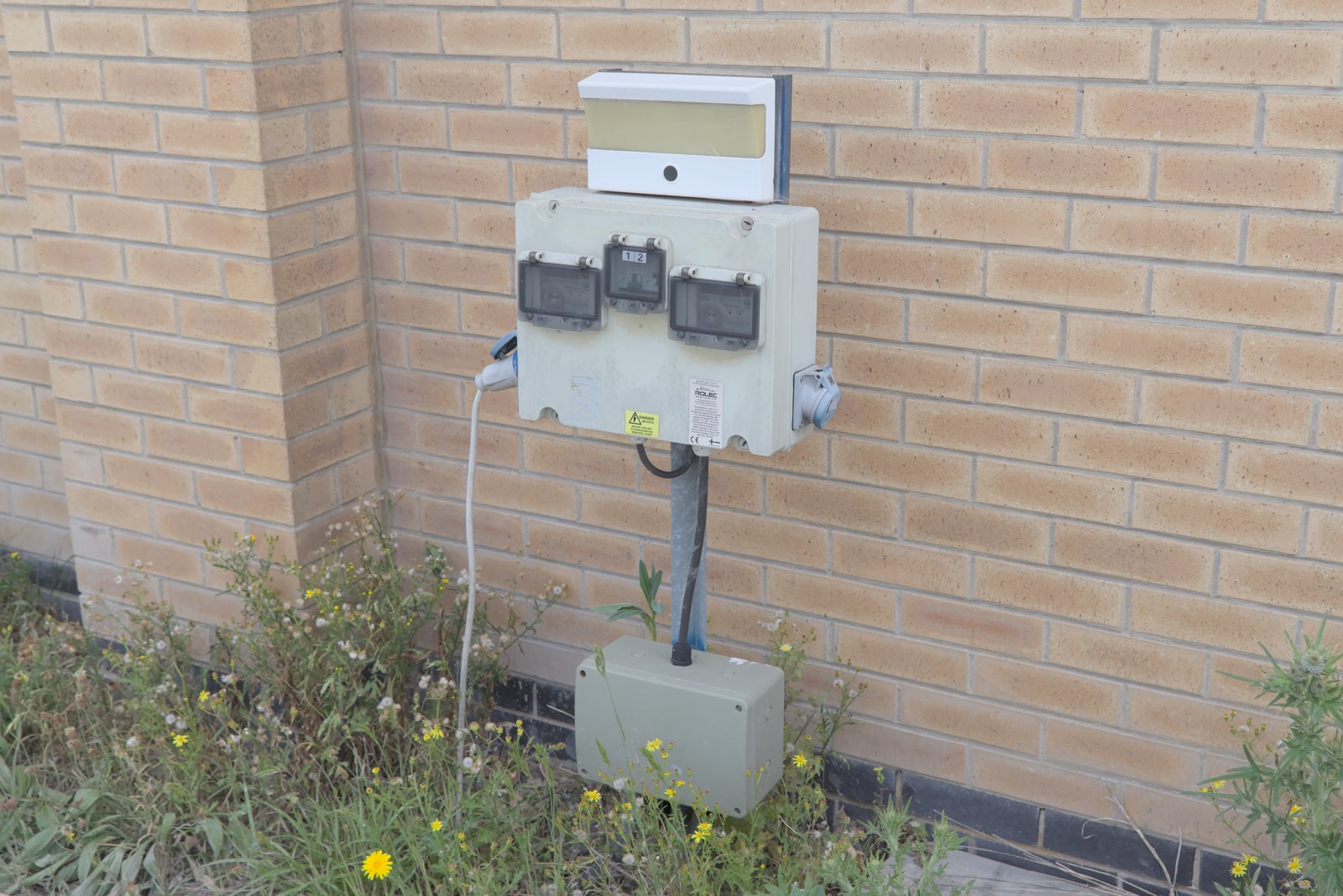
What to do: copper mesh or stainless wool packed tight into the void, then a polyurethane sealant cap over top. Copper does not rust out like steel wool does in our salt air, and rodents will not chew it.
5. Garage door sweeps and side jambs
Close the garage door, go inside, and turn the lights off. Any daylight at the bottom corners is a mouse door — and the garage is where the bird seed, pet food and recycling live.

Check both bottom corners and both side jamb seals. Rubber sweeps go hard and curl in about seven to ten years, and an uneven concrete slab leaves a permanent gap at one corner.
What to do: replace the bottom sweep and add rodent-resistant jamb seals. For a chewed or worn corner, a strip of aluminium threshold under the sweep solves it permanently.
6. Brick weep holes — screen, never seal
If your house has a brick veneer, look along the bottom course for open vertical mortar joints every 60–90 cm. Those are weep holes and they are supposed to be there — they drain water out of the wall cavity and let it breathe.
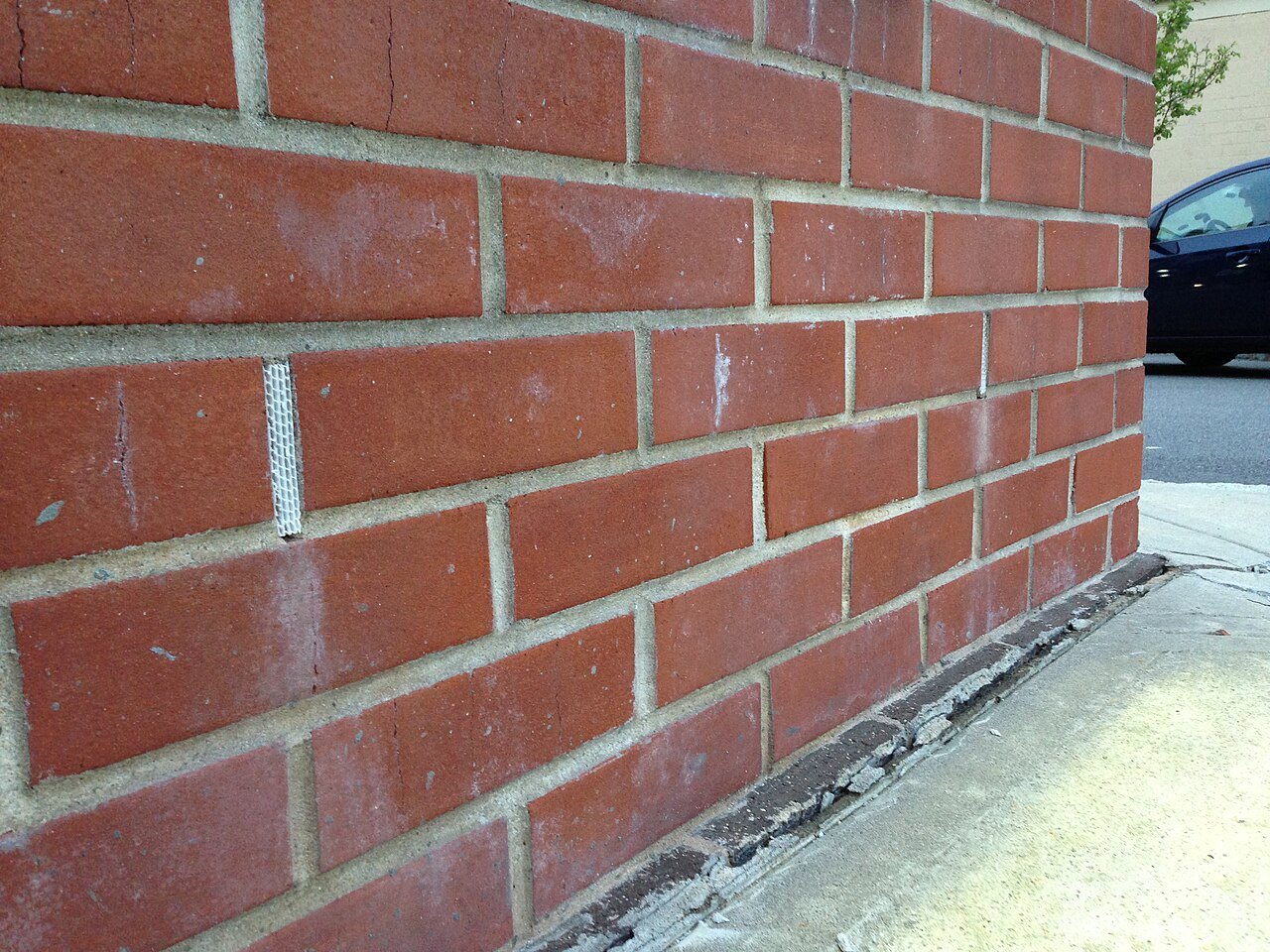
They are also a highway for ants, wasps, spiders and mice into the cavity behind your brick.
What to do: fit stainless steel or plastic weep hole covers. Never caulk or foam a weep hole shut. Blocking them traps moisture in the cavity and you trade a pest problem for a rot problem — which costs far more.
7. Windows, doors and basement hoppers
- •Door sweeps and thresholds: same daylight test as the garage.
- •Window screens: check the corners and the bottom track for tears.
- •Basement hopper windows: often the worst offenders — rotted wood frames, missing screens, and a well full of leaves and mulch.
- •Old cellar hatches and coal chutes: extremely common in peninsula Halifax homes, frequently open to the crawlspace.
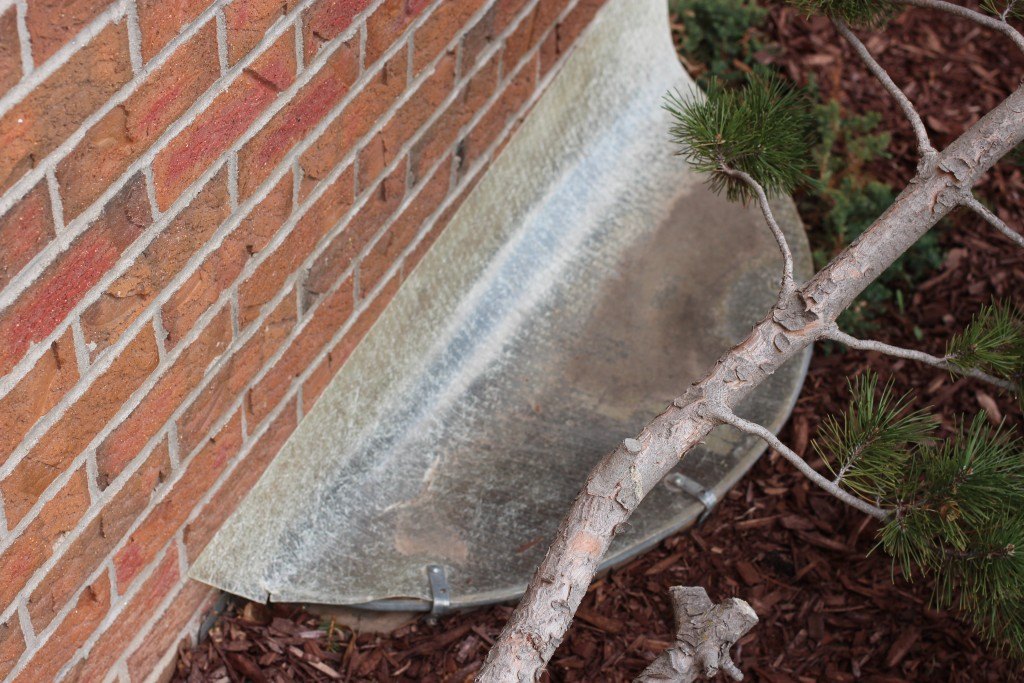
8. The last two metres of ground around the house
Sealing works better when nothing wants to be at the wall in the first place.
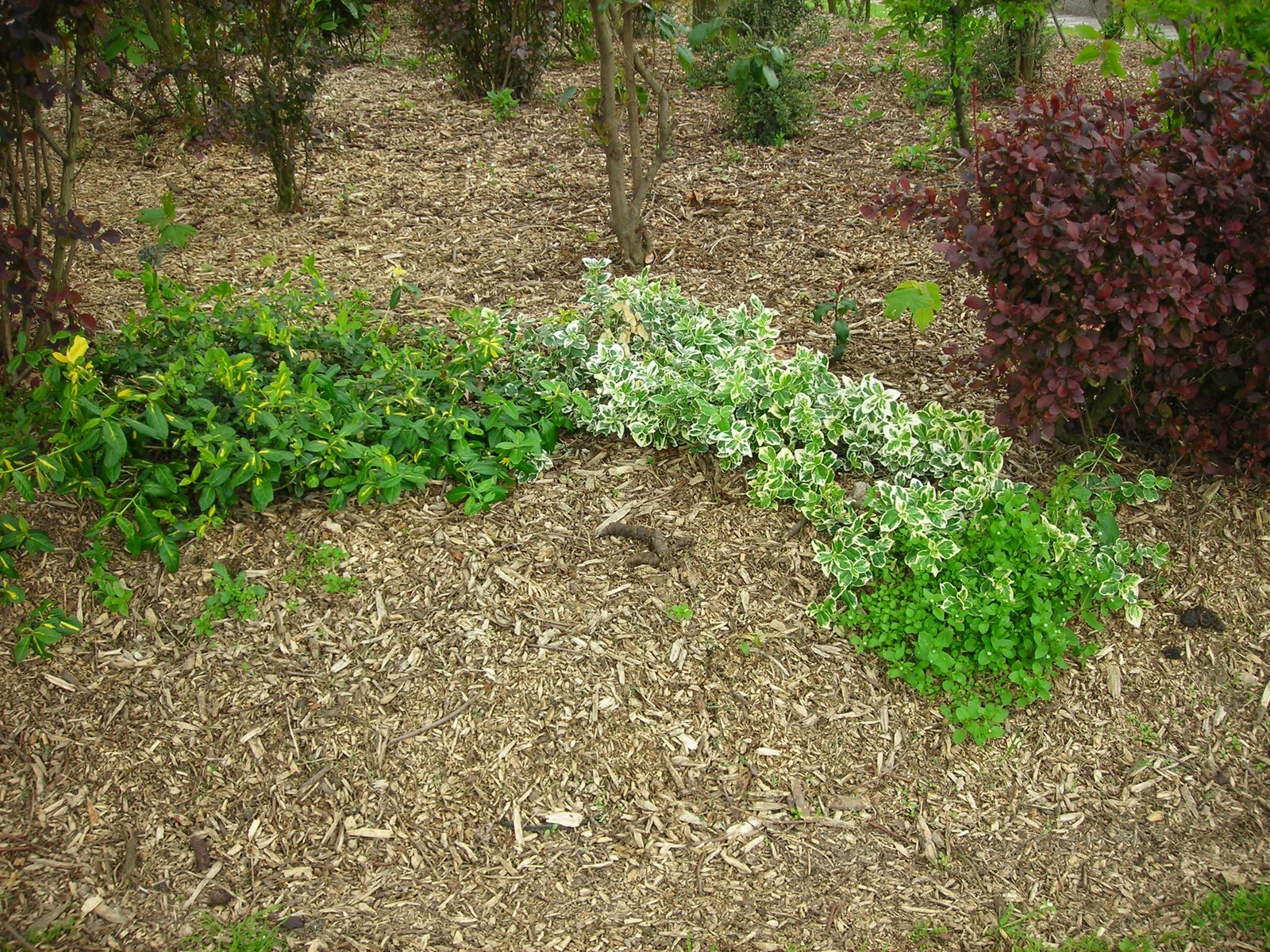
- •Pull mulch, soil and leaf litter back so at least 100–150 mm of foundation stays visible.
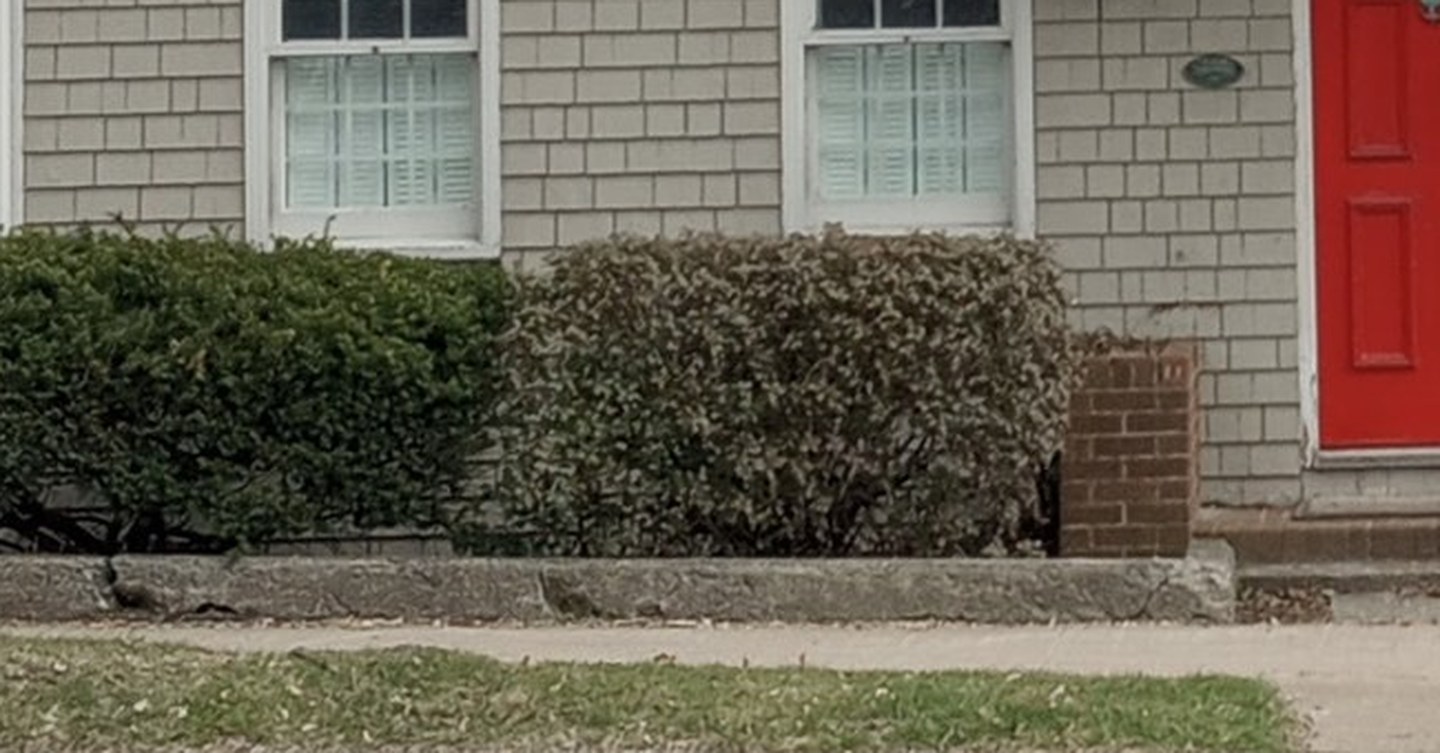
- •Keep a 300–450 mm gravel or bare strip against the wall — no groundcover, no dense shrubs touching the siding.
- •Move firewood off the house and up off the ground. Firewood stacked against a wall is a carpenter ant and mouse hotel.
- •Trim branches back 1.5–2 m from the roof. Squirrels and red squirrels jump; they don't climb siding for fun.
- •Get compost, recycling and green bins off the wall, and rinse them.
- •Check that downspouts discharge away from the foundation. Chronic damp at the base of a wall is what brings earwigs, centipedes, sowbugs and carpenter ants.
What to seal with — a short materials list
| Gap | Use | Do not use |
|---|---|---|
| Hairline seams, trim joints | Polyurethane or silicone exterior sealant | Nothing else needed |
| 6–25 mm | Copper mesh packed tight, sealant over | Spray foam alone |
| 25 mm and up | 6 mm hardware cloth or sheet metal, screwed | Steel wool, plastic sheeting |
| Vents that must breathe | 6 mm stainless mesh or purpose-made covers | Caulk, foam, tape |
| Weep holes | Weep hole covers | Caulk or foam, ever |
Two rules cover most mistakes. First, if a pest needs to chew through your fix, it must be metal. Second, if the opening exists for airflow or drainage, screen it — never close it.
What this checklist won't fix
Exclusion is the single highest-value thing you can do to a house, but it has limits and it is fair to be straight about them:
- •Something is already inside. Sealing an active population in makes it worse, not better. Get the interior resolved first, then seal.
- •Flying insects. Wasp and hornet nests in a wall or soffit need to be dealt with before the void is closed.
- •Bed bugs and cockroaches. These move with people and belongings, not through the foundation. Sealing does nothing for them.
- •Height and roofline work. Soffit, fascia and chimney work is ladder work. If you are not comfortable there, don't be there.
Where our service pages go deeper
Each of these gaps maps to a specific pest, and each of those has a page with the biology and the treatment approach:
- •Rodent Control — mice and rats, entry-point sealing, monitoring and trapping.
- •Wasp & Hornet Control — soffit, wall void and ground nests, at their yearly peak right now.
- •Carpenter Ant Control — the pest most closely tied to damp foundations, firewood and roof-contact branches.
- •Ant Control — pavement and other structural ants coming through weep holes and slab cracks.
- •Spider Control — webbing on soffits, eaves and door frames in fall.
- •Bed Bug Treatment — a separate problem with a separate approach.
- •Cockroach Treatment — introduced, not invading; discreet and non-blaming.
- •Ant & Spider Bundle — a no-commitment one-time option for the two most common fall callers.
Also useful this month: when rodents enter homes in Nova Scotia, cluster flies in Nova Scotia, and our seasonal pest prevention checklist.
The two-visit version of this
If you'd rather not spend a Saturday on a ladder with a caulking gun, this is exactly what the Home Protection Plan is built around: scheduled seasonal visits, exterior barrier treatments, rodent monitoring, entry-point findings written up for you, and emergency callouts with no per-visit charge — $50/month + HST* on a 12-month commitment.
We're locally owned and operated, and we cover Halifax, Dartmouth, Bedford, Sackville, Cole Harbour, Fall River, the Valley, the South Shore and the Eastern Shore.
Not sure whether a gap you found matters? Send us a photo through the Pest ID tool — no charge — or call (902) 877-8590 and we'll tell you straight whether it's worth sealing.
*Bed bug and carpenter ant treatments are specialized services and are quoted separately.
Frequently Asked Questions
- How small a gap can a mouse get through?
- About 6 mm — a quarter inch. If a pencil fits into the gap, a young house mouse can get through it. Rats, red squirrels and chipmunks need roughly 13 mm.
- Can I just spray foam every gap?
- No. Expanding foam is an air seal, not a pest barrier — mice chew straight through it. Pack the void with copper mesh or use hardware cloth or sheet metal first, then seal or foam over it for weatherproofing.
- Should I seal the weep holes in my brick wall?
- Never. Weep holes drain and ventilate the wall cavity behind brick veneer. Blocking them traps moisture and causes rot. Fit stainless or plastic weep hole covers instead — they keep insects and mice out while the wall still drains.
- When is the best time to pest-proof a home in Halifax?
- Late August through September, before overnight temperatures drop into single digits and pests start actively looking for shelter. Sealing in September is dramatically cheaper than removing an established population in November.
- What if pests are already inside when I seal up?
- Deal with the interior population first. Sealing an active infestation in makes it worse — trapped rodents die in wall voids, and a sealed wasp nest pushes the colony to chew its way inward. Resolve, then exclude.
- Does sealing up my house stop bed bugs and cockroaches?
- No. Both travel with people and belongings rather than through the building envelope, so exclusion work has no effect on them. They need a targeted treatment approach.
About this article
Written by One Way Property Solutions Team · Licensed Nova Scotia Pest Control Professionals. The information below is drawn from the following authoritative sources and reviewed against current Nova Scotia conditions.
Was this article helpful?
A quick tap helps us know which guides are actually useful to Nova Scotia homeowners.
One Way Property Solutions Team
Licensed Nova Scotia Pest Control Professionals
Related Services
Keep reading
Hand-picked guides related to Seasonal Pests.
How and When Do Rodents Enter Your Home? What Nova Scotia Homeowners Should Know
Mice and rats don't wait for an invitation. Here's when rodent pressure peaks in Nova Scotia, how they get inside, and what you can do to protect your home year-round.
Cluster Flies in Nova Scotia — Why They Show Up on Windows Every Fall
Large, slow flies on sunny windows in September are usually cluster flies. They are not a sanitation issue — they are looking for winter shelter. Here is what HRM homeowners should do now.
Your Seasonal Pest Prevention Checklist — A Nova Scotia Homeowner's Guide to Year-Round Protection
Pest problems don't happen overnight — they build up over weeks and months. This season-by-season checklist gives Nova Scotia homeowners practical steps to stay ahead of the most common household pests all year long.
Need help with pests? Contact One Way Property Solutions Limited.